
Program Dates: August 22 - November 19, 2027*
August 22: depart US (arrival date August 23) - August 29: UK (England) dates of the program
August 29 - November 19: Italy dates of the program
Early Application Process
APPLICATION DEADLINE: November 19, 2026
NOTIFICATION DEADLINE: December 3, 2026
COMMITMENT DEADLINE: December 10, 2026
Basic Estimated Program Cost: $9,515† (including the $500 Program deposit)
Standard Application Process
APPLICATION DEADLINE: February 25, 2027
NOTIFICATION DEADLINE: March 4, 2027
COMMITMENT DEADLINE: March 11, 2027
Basic Estimated Program Cost: $9,515† (including the $500 Program deposit)
* August 22 is the last possible day to depart US for the UK (August 23 - arrival date).
† Approximate 2027 cost, including deposit. The final program fee is subject to change depending on student enrollment.

The setting for the UGA Cortona Program is the small, quiet, walled hill town of Cortona, Italy. Centrally located within the Tuscany region on the crest of Mont S. Egidio overlooking the vast Val di Chiana, Cortona is surrounded by beautiful olive groves, vineyards, rich valley farmland and immense history.
The town of Cortona is a veritable museum that offers the student a rich artistic and historical environment that reveals itself through fine examples of Etruscan, Roman, Romanesque, and Renaissance art and architecture. Since 1970, the small community of Cortona and the University have shared a mutual tradition of goodwill and respect where the local government and citizens provide generous support and encouragement to the Program and its students.
In this idyllic environment, UGA Cortona provides a challenging opportunity for the serious student who wishes to combine international travel with an intensive period of studio and classroom work while merging with the lifestyle and culture of a typical Italian community. Students live in a newly renovated 15th century monastery that provides premium studio spaces and living quarters with historic surroundings.
Although based in Cortona, students begin their experience in Rome or Naples. Throughout the program, field trips are made to many major cities and artistic centers in Italy such as Venice, Siena, Florence, and many other sites.
Academic Program
CORE in Cortona
These courses offered in Fall 2027 fulfill the following.
- ARST 2100 — Introduction to Painting and Visuality (Area IV Humanities and the Arts)
Complete Course Offerings
Students generally take 12-15 hours during the Fall term. ARHI 3020 is mandatory for all participants.
Art History
Students have an opportunity to visit and study some of the most influential works in western art. Each week the instructor lectures/presents a specific work of Italian art. The lecture is followed by a prearranged visit to observe the work "in situ". Each student is responsible for the analysis (formal, art historical, visual) of a comparable work.- ARHI 3020 - Renaissance Art - Major monuments, artists, and subjects of art from the late fourteenth through the sixteenth century in Europe.
Ceramics
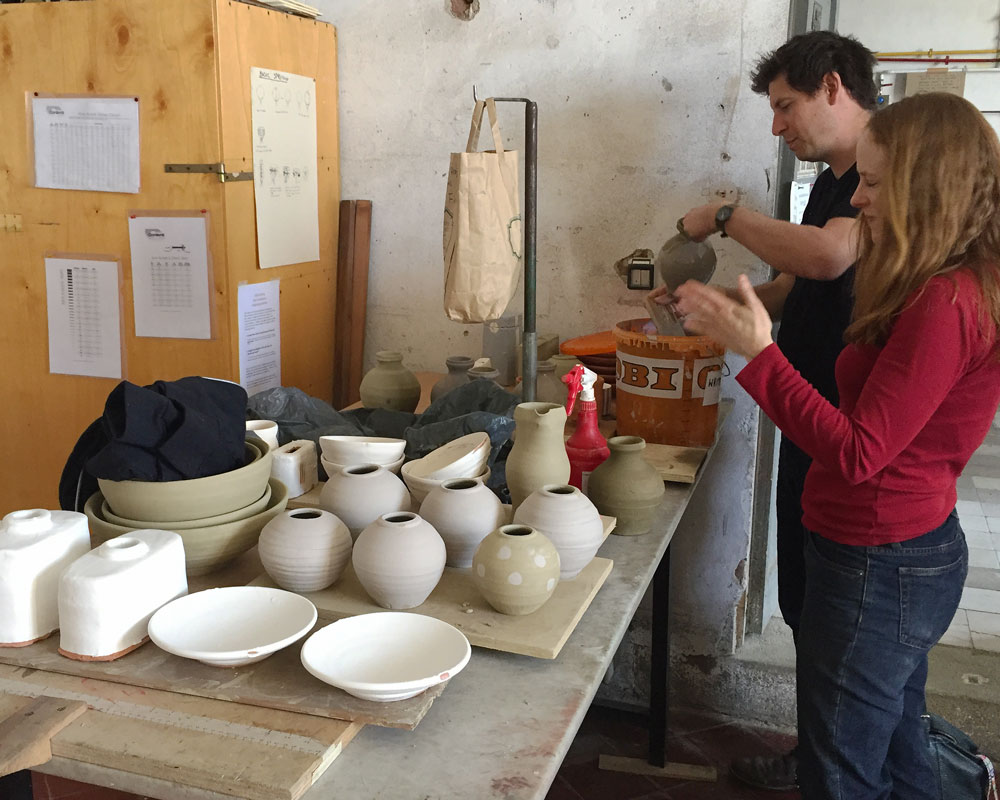
- ARST 2500 - Introduction to Ceramics - Development of personal expression using the ceramic process.
- ARST 3500 - Intermediate Ceramics - Prerequisites: ARST 2500. Sculptural and functional ceramic forms with an emphasis on personal expression and individual style.
- ARST 4500 - Advanced Ceramics - Prerequisites: Six hours of ARST 3500. This advanced ceramics course will combine studio practice and a seminar format. The studio component will provide ample time to concentrate on specific projects agreed upon by faculty and student. The seminar component of this course is designed to engage the group in dialog concerning different pertinent subjects chosen to disseminate information and exercise creative and critical thinking skills.
Painting
- ARST 2100 - Introduction to Painting and Visuality - Fundamentals of painting related to subject matter, composition and color preparation of supports and grounds, and knowledge of basic painting materials are stressed.
- ARST 2110 - Intermediate Painting - Prerequisites: ARST 2100. Painting applied to still life, landscape, abstraction, and the human figure from live models.
- ARST 3110 - Transparent Watercolor - Prerequisites: ARST 2100 or permission of department. Transparent watercolor including landscape, still life, and the human figure. Personal imagery and non-representational painting will also be explored.
- ARST 4100 - Directed Study in Painting - Prerequisites: ARST 2110 ARST 3100, or ARST 3120, or ARST 3130, or ARST 3150, or ARST 3160 and Permission of Department. Advanced independent study for drawing and painting majors. Studio meetings arranged.
Photography
- ARST 2210 - Introduction to Photography and Image Culture - An introduction to photography and contemporary image culture, including history, criticism, and practice utilizing digital cameras and image interpretation.
- ARST 3205 - Video Concepts - An introduction to time-based means of visual expression through video and other constructs. Students will develop technical skills using digital capture and editing, developing proficiency concerning the role of light, space, time, composition, editing, and sequencing, within a conceptual framework of ideas, expression, and communication.
- ARST 4830 - Advanced Video - Prerequisites: ARST 3830 or ARST 3205. Introduction to more sophisticated processes in video production and post production. Further refinement of digital editing techniques and visual effects are covered. Storyboards, scripting, and content are emphasized. The class views, reads, and discusses significant contemporary works and related critical writings.
Drawing
- ARST 2000 - Introduction to Figure Drawing - Prerequisites: ARST 1050 or ARST 1050H
Compositional, expressive, and anatomical approaches to drawing the human figure, traditional media such as charcoal, conte crayon, graphite, and ink will be used.
Materials and Techniques
- ARTS 3000 - Materials and Techniques of Artworks - Investigation of both historic and modern materials and methods used to produce works of art and archaeological-ethnographic objects. Aspects of deterioration, historic treatment, museum conservation practice, and methods of technical examination are highlighted.
Graphic Design
- ARGD 3010 - Foundations of Graphic Design - Pre or Corequisites: ARGD 2010 or ARGD 2030 or ARGD 2030E or ARGD 3030 or ARGD 3030E or permission of department. An overview of the basic tools, techniques, and concepts that graphic designers use to create effective visual communication, including combining typography and imagery, composing graphic elements, understanding how design decisions affect the communication of messages, basic image preparation, and competency in relevant design software.
- ARGD 4120 - Graphic Design Field Study - Prerequisites: ARGD 3020 or permission of department. Explores visual communication, with emphasis on increased global awareness, broader experiences, and perspectives gained through foreign or field study. Themes may include international and/or urban design culture, the impact of global design, and non- language-based graphic design. The course will encourage students to broaden their design thinking and to look at artifacts of visual communication through cross-cultural experiences.
Biomedical Physiology
- VPHY 3110 - Careers in Biomedical Physiology and Professional Skills - Prerequisites: ENGL 1102 or ENGL 1102E or ENGL 1102S. Discusses common physiology career options. Develops written and oral communication skills applicable to professional settings. Fosters skills in leadership and teamwork; workplace-related social skills; emotional intelligence, resiliency, and reflective practices; and develops an understanding of professionalism and ethical principles.
- VPHY 3700 - Figuring the Human Body Through Drawing - Prerequisites: VPHY 3100 or VPHY 3100E or VPHY 3107-3107D or CBIO 2210-2210L or CBIO 3710 or EHSC 2100 or PMCY 3000 or PMCY 3000E or POUL 4175 or POUL 4200/6200-4200L/6200L or WILD 4400/6400 or permission of department. This course will cover how structure informs physiological function through anatomical art. Students will engage with this material through readings, activities, drawings, and excursions.
- VPHY 4960 - Faculty-Mentored Undergraduate Research I - Prerequisites: Permission of department. Faculty-supervised independent or collaborative inquiry into fundamental and applied problems within a discipline that requires students to gather, analyze, and synthesize and interpret data and to present results in writing and other relevant communication formats.
Studio Facilities
UGA Cortona features extensive on–campus studio facilities, and therefore offers an opportunity unique among study abroad programs: the cultivation of a daily artistic practice while immersed in the art and culture of Italy. The Fall studio courses use these facilities:
Tentative Program Itinerary
- All participants are responsible for making their own travel arrangements to travel abroad. In order to arrive in the UK for the beginning of the program, August 22 is the last possible day to depart the US for the UK.
- Arrive in London and Oxford, England - The program begins with six days in the UK.
- Arrive in Rome
- Depart Rome for Cortona
- Cortona Day
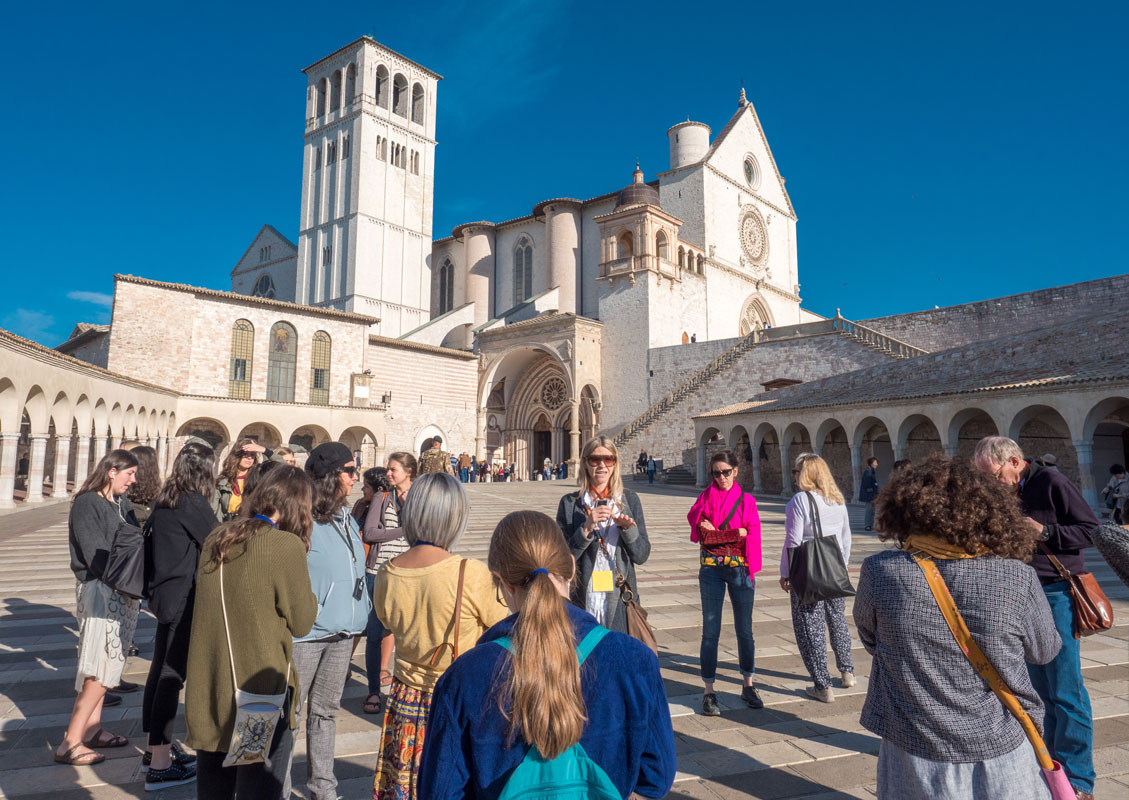
- Field trip to Assisi
- Cortona Day
- Field trip to Venice
- Cortona Day
- Field trip to Florence
- Cortona Day
- Field trip to Siena
- Studio Day in Cortona, preparation for La Mostra (Exhibition)
- Exhibition Set-Up
- Exhibition Opening - La Mostra
- Exhibition take down/crate packing
- Depart Cortona for Naples
- Program End - Naples area
Housing and Meals
Housing
Living conditions for UGA students are similar to those experienced by European students in pensiones or one-star hotels. The John D. Kehoe building is the permanent UGA Cortona facility and has been recently renovated with modern conveniences. The Kehoe building has multiple-bed dormitory rooms and shared bathrooms. A large courtyard provides students an opportunity to gather outdoors to study, draw or tend to personal chores such as laundry. Downstairs is a large kitchen. In an adjoining room, a continental breakfast is served between the hours of 7:00am to 9:00am. There are several coin operated washers for use, but many students choose to wash their clothes by hand in available sinks or tubs. The terrace has several clothes lines to dry your clothes on, which is the only means to do so. There are several common rooms available for studying or reading. The Kehoe building doors remain locked, but each student is provided with a personal key. Linens are provided and are changed by the staff.
Breakfast
A continental breakfast is served every morning at the Kehoe Building. Continental breakfast consists of bread, jam, fruit juice and coffee or tea. Students who want or need additional food for breakfast may buy groceries and keep them in the student refrigerator.
Lunches
Lunch while in Cortona and on field trips will be on your own. In Cortona, there are many options for an inexpensive quick lunch at local grocery stores and bars, as well as numerous full-service restaurants.
For lunch, sandwiches are available at most bars and grocery stores in town. A "toast" in Italy is a grilled ham and cheese sandwich, and most bars will offer other choices as well. Any of the grocery stores in town will prepare a sandwich made to your specifications or you can buy your own fruit, cheese and bread. The range of restaurants in Cortona varies from first-class full menu restaurants to more inexpensive places where you can order a pizza or a plate of pasta.
If you would like to go to a full-service restaurant for lunch, the prices will generally be higher, and you will pay for service. A cover charge is automatically added to your bill, and you are also expected to tip your waiter. Sitting down in a restaurant means possible waiting times, as food in Italy is cooked only after you order it. In Cortona, smaller family-run restaurants are usually fairly inexpensive and provide an opportunity to make friends with the Cortonese.
Dinners
Evening meals are shared as a group 3 nights a week during the Spring and Fall semesters. Spring and Fall students will also receive a voucher 1 night a week, redeemable from one of many restaurant options in Cortona (conditions/terms apply). When taken with the group, meals are typical Tuscan fare prepared and served at Ristorante d'Antonio, one of the most well-known and respected restaurants in the region. The University of Georgia group gathers for dinner at 7:30 pm. Students are responsible for their weekend dinners and can choose to prepare their meals or eat at one of the many restaurants in Cortona.
Dinner at d'Antonio's consists of three courses: the first course (primo piatto) is usually pasta or rice, the second course (secondo piatto) is usually meat or fish and a selection of salad or vegetables, and dessert (dolce) is usually fruit or cake or pastry. A different second course is served to those who are vegetarians.
Meals While Traveling
Breakfasts and dinners while in Naples and Rome; Breakfasts and some dinners while in Florence; only breakfast is provided while in Venice. Please refer to specific itineraries for program travel.
Program Costs
Tuition is not included in the program fee. See bursar.uga.edu for tuition rates. Students generally take 12-15 hours. The cost of the program includes:
- $500 Program Deposit - due after acceptance to program and applied towards total program cost
- International Health Insurance (UGA requirement)
- Charter bus transportation from Rome to Cortona at the beginning of the program, round-trip between Cortona and Venice in the middle of the semester, and from Cortona to Naples at the end of the program
- Residence in the John D. Kehoe Center dormitories in Cortona
- Dinner 3 days a week while in Cortona
- Breakfast 7 days a week while in Cortona
- Transportation to and from cities during program excursions
- Shared hotel accommodations during program excursions
- Breakfast during program excursions
- One dinner in Oxford
- One dinner in Rome
- One dinner in Venice
- One dinner in Naples
- UGA Cortona t-shirt
Scholarships
Scholarship opportunities are available for UGA Cortona students. Click here to learn more.
Accommodation Statement
UGA education abroad programs strive to provide reasonable accommodations for students with documented disabilities. Areas of disability include, but are not limited to visual, hearing, learning, psychological, medical, and mobility impairments. If you receive disability-related accommodations at UGA or at your home university, or if you anticipate needing accommodations at your overseas site, you will arrange for them with your study abroad program director and the staff in the Disability Resource Center. Examples of accommodations include note taking assistance, extended test time, a quiet testing location, alternative text/media, and accessible housing. Please provide information about your accommodation needs at least 4 weeks prior to departure in order to allow time to arrange for accommodations. Students are asked to disclose disability-related needs prior to the start of the program to help ensure that there are no delays in accommodations and that the student can enjoy the full study abroad experience.